[This is an excerpt from an article in The Round Table: The Commonwealth Journal of International Affairs and Policy Studies. Opinions expressed do not reflect the position of the Round Table editorial board.]
Skin trafficking involves the illegal removal and sale of human skin to meet the rising global demand in cosmetic and medical industries where human skin tissue is utilised for various aesthetic procedures including cosmetic enhancements and plastic surgery (Reuters, Citation2017). This illicit trade thrives on the socio-economic vulnerabilities of victims, legal loopholes, and inadequate enforcement techniques (Drishti Judiciary, Citation2024). Despite its concerning implications, skin trafficking remains an overlooked and under-researched area in the anti-trafficking discourse. The poorest nations are more likely to see marginalised communities exploited, as traffickers compel them to sell human skin, which is distributed to high-income nations.
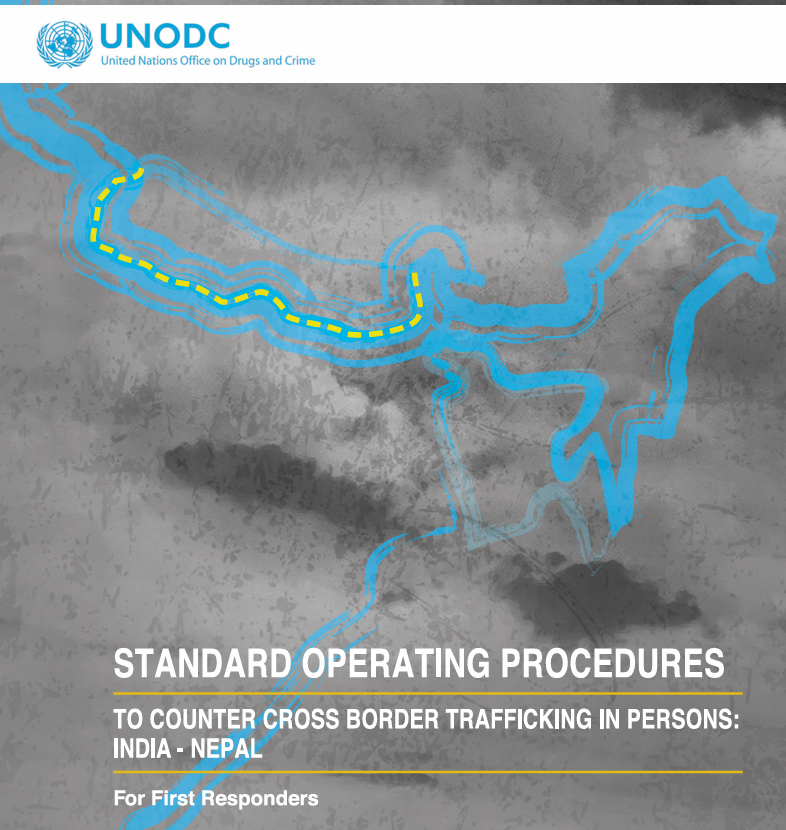
The Indo-Nepal porous border has been identified as a critical trafficking hotspot (Drishti Judiciary, Citation2024). Nepali women, particularly those from economically impoverished communities, are targeted for their fair skin, idealised as a cultural marker of privilege and beauty, which is highly demanded in the global plastic surgery market (Youth Ki Awaaz, Citation2017). This objectification of fair-skinned women fuels a lucrative market for human skin and highlights the intersections of gender, race and systemic disempowerment. Women who already face societal disadvantages are coerced into this trade. Traffickers lure these women on false pretences, such as promises of employment and financial stability, only to force them into selling their skin. In many cases, victims are abducted, transported, and drugged throughout the process, enduring physical and psychological trauma (Readoo, Citation2018).
Villages such as Sindhupalchowk and Nuwakot in Nepal have become ‘body organ farms’ (Readoo, Citation2018). The skin is processed in pathology laboratories in India and then transferred to companies in the United States that produce skin and tissue derivative goods for the worldwide plastic surgery market (Readoo, Citation2018). Skin traffickers exploit legal gaps, compelling victims to sign fabricated consent forms under threats of violence. An investigation by Youth Ki Awaaz, as reported by Reuters (Citation2017), claimed that Nepali women were coerced into selling 20 square inches of skin tissue from their backs for US$150, primarily for use in plastic surgery procedures. Trafficked skin often enters the supply chain under the guise of ‘ethical sourcing’, facilitated by minimal oversight. Consumers, largely unaware of the unethical practices, inadvertently support exploitation through their purchases. The industry’s marketing campaigns promote narratives of women’s empowerment, yet these practices starkly contradict their advertised values.
Nepal in transition
Rethinking Human Trafficking in India: Nature, Extent and Identification of Survivors
Legal frameworks, such as India’s Transplantation of Human Organs and Tissues Act, aim to regulate tissue and organ trade but suffer from weak enforcement. The 2011 amendment was expanded to include tissue trafficking while the Transplantation of Human Organs and Tissues Rules was formulated in 2014 to prohibit the sale of organs and tissues in India (Sahay, Citation2020). According to the law, organs and tissues can be taken only from registered donors. Unfortunately, in India and Nepal, fake documentation of victims of organ trafficking is made to deceive the authorities so that the traffickers can indulge in the illicit trade (Al Jazeera, Citation2020).
Nepal has no legislation specifically addressing skin trafficking and hence, traffickers are free to operate (Caritas India, Citation2017). Although trafficking is prohibited under the 2007 human Trafficking and Transportation Act (Sitoula, Citation2019) as formulated by the Nepal government, the promises to tackle the challenge of skin trafficking were not upheld (Reuters, Citation2017). The US 2024 Trafficking in Persons Report relegated Nepal to the Tier 2 Watch List due to a lack of adequate legislation, victim support and accountability (Rimal & Simkhada, Citation2024).
Ethical questions are raised by the rapid expansion of tissue transplantation across the world, especially when it involves the trade in human tissues. Global legal action has been initiated by reports of unethical practices in the United States, such as counterfeit documentation and non-consensual procurement. Although it is illegal to sell human organs, exploitation is made possible by vague processing fee restrictions. Similar trends can be seen in Tanzania, where superstitious beliefs lead to the trafficking of individuals with albinism. A person with albinism will have skin devoid of melanin pigment and will therefore seem exceptionally light. According to investigative journalist Vicky Ntetema, the hidden market places a high value on albino body parts, with living persons fetching US$340,000 and complete organ sets costing US$75,000 (Daghar, Citation2022). The victims’ marginalisation is made worse by long-standing stigmatisation around albinism, which restricts their access to essential amenities and socio-economic involvement.
Susmita Paul and Pratiksha Rai are Ph.D. Scholars, Department of International Studies, Political Science and History, Christ University, Bangalore, India.